The Benefits of Stump Grinding After Tree Removal
the benefits of stump grinding after tree removal in North Carolina and why leaving a stump can cause future problems
When a tree is removed from your property, it can feel like the hard part is over. The canopy is gone, the trunk is cut down, and your yard looks more open. But one critical piece often remains behind: the stump.
While some homeowners choose to leave the stump in place, doing so can create a number of problems over time. In North Carolina — especially in communities like Alexis, Gastonia, Mount Holly, and throughout Gaston County — humidity, rainfall, and warm temperatures accelerate decay, pest activity, and root issues.
Stump grinding is the most efficient and practical way to fully complete a tree removal project. In this guide, we will explain what stump grinding is, why it matters, and how it protects your property long term.
What Is Stump Grinding?
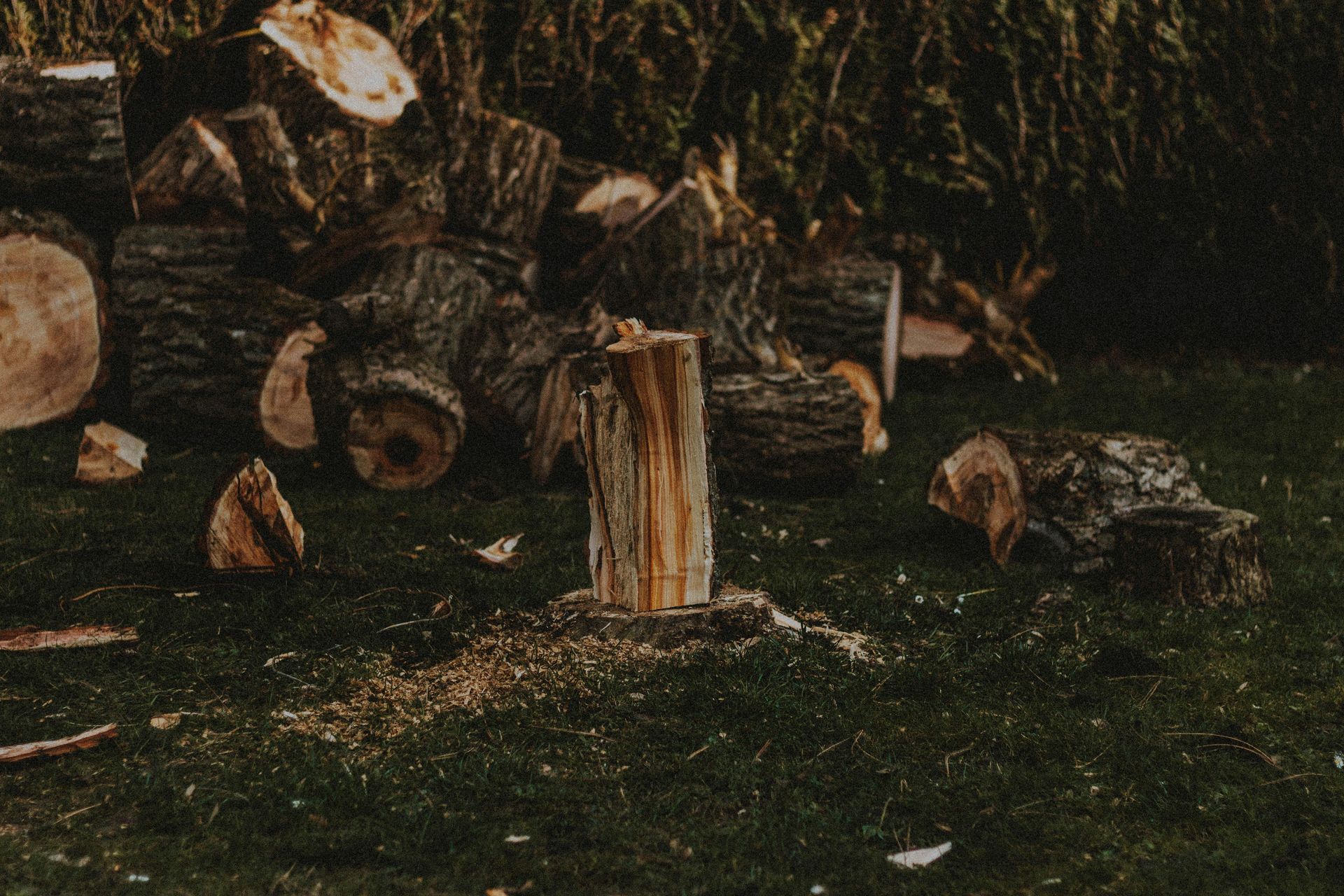
Stump grinding is a process that uses specialized machinery to grind a tree stump down below ground level. The equipment features a rotating cutting wheel with sharp carbide teeth that chip away the wood gradually until the stump is reduced to mulch-like material.
Unlike full stump removal, which extracts the entire root system through excavation, stump grinding:
- Removes the visible stump
- Grinds it several inches below the surface
- Leaves underground roots to decompose naturally
- Minimizes disruption to your yard
For most residential properties in Gaston County, stump grinding is the preferred solution because it balances effectiveness, affordability, and minimal damage to surrounding landscaping.
Why Leaving a Tree Stump Is a Problem
At first glance, a stump may seem harmless. However, over time, it can create multiple issues.
1. Pest Infestation
Decaying wood attracts insects. In North Carolina’s humid climate, stumps can become breeding grounds for:
- Termites
- Carpenter ants
- Wood-boring beetles
- Other destructive pests
Once insects establish themselves in a stump, they may migrate toward nearby healthy trees — or worse, your home.
Stump grinding eliminates the primary food source that attracts these pests.
2. Fungal and Disease Growth
Tree stumps frequently develop fungal growth, including mushrooms and wood-decay organisms. While some fungi are harmless, others can spread to surrounding plants and trees.
Fungal spores can travel through soil or air, potentially infecting healthy landscaping nearby. Removing the stump reduces the risk of disease spreading across your yard.
3. Lawn Maintenance Complications
A stump in your yard becomes a permanent obstacle. It can:
- Damage lawnmower blades
- Create uneven mowing patterns
- Interfere with landscaping projects
- Limit yard usability
Even if you mow around it carefully, the surrounding grass often struggles to grow evenly due to root competition beneath the surface.
4. Safety Hazards
Stumps are easy to overlook — especially for children, guests, or pets running through the yard. They present tripping hazards that can lead to injuries.
If your property is used for gatherings or outdoor activities, removing the stump improves safety and accessibility.
5. Unwanted Tree Regrowth
Certain tree species common in Gaston County — such as sweetgum, maple, and poplar — can sprout new shoots from an old stump.
This leads to:
- Persistent small saplings
- Ongoing trimming needs
- Unsightly regrowth
- Energy draining from underground roots
Grinding destroys the stump’s growth tissue, greatly reducing the likelihood of regrowth.
Stump Grinding vs. Full Stump Removal
Homeowners sometimes confuse stump grinding with full removal. Understanding the difference helps you choose the right solution.
Stump Grinding
- Faster and less invasive
- More affordable
- Leaves roots underground
- Minimal lawn disruption
- Ideal for residential properties
Full Stump Removal
- Entire root ball is excavated
- Requires heavy equipment
- Leaves a large hole to backfill
- Higher labor and cost
- Often necessary for construction or foundation work
For most homeowners not building directly over the stump location, grinding is more than sufficient.
What to Expect During the Stump Grinding Process
Stump grinding is straightforward and efficient when handled by professionals.
- The surrounding area is cleared of rocks and debris.
- The stump grinder is positioned directly over the stump.
- The machine grinds the stump gradually into wood chips.
- The stump is ground approximately 6 to 12 inches below soil level.
- Wood chips are either left for reuse or hauled away.
Most residential stumps can be completed within 30 to 90 minutes, depending on size and access.
How Much Does Stump Grinding Cost in North Carolina?
Pricing depends on several factors:
- Diameter of the stump
- Tree species and wood hardness
- Root flare size
- Accessibility of the site
- Number of stumps
Average stump grinding costs in Gaston County typically range from:
- $150 to $350 for small stumps
- $350 to $700 for medium stumps
- $700 to $1,200+ for large hardwood stumps
Grinding multiple stumps during the same visit often reduces overall cost.
Long-Term Benefits of Stump Grinding
Beyond immediate convenience, stump grinding offers long-term advantages.
Improves Property Value
A yard free of stumps looks cleaner, safer, and more maintained — which can positively impact resale value.
Prevents Root-Related Damage
While roots naturally decay over time, grinding prevents future sprouting and minimizes root pressure issues.
Frees Space for Landscaping
Once the stump is gone, you can:
- Install sod
- Plant new trees
- Build patios
- Add garden beds
- Expand driveways
Stump grinding restores flexibility to your landscape design.
Environmental Considerations
Stump grinding is environmentally responsible because:
- It avoids major soil disruption
- Roots decompose naturally
- Wood chips can be reused as mulch
- Heavy excavation is unnecessary
Many homeowners choose to spread the wood chips in flower beds or around other trees as a natural ground cover.
Frequently Asked Questions
Will roots continue growing after stump grinding?
In most cases, no. Grinding removes the growth center of the tree, preventing new shoots.
How deep should a stump be ground?
Typically 6 to 12 inches below grade. Deeper grinding may be required if future construction is planned.
Can I plant grass immediately after grinding?
Yes. After removing excess wood chips and adding topsoil, grass seed or sod can be installed.
Is stump grinding noisy?
The equipment produces moderate noise during operation, but most residential jobs are completed quickly.
Is it worth the cost?
Considering the risks of pests, safety hazards, and long-term maintenance problems, stump grinding is often a worthwhile investment.
Professional Stump Grinding in Gaston County
If you have an old stump in your yard — or recently had a tree removed — finishing the job properly protects your property and prevents future issues.
Huffstetler Tree & Lawn Services provides:
- Professional stump grinding
- Residential and commercial service
- Safe, efficient equipment
- Optional debris hauling
- 24-hour emergency tree services
Serving Alexis, Gastonia, Mount Holly, Dallas, and surrounding communities in Gaston County.
Phone: 704-913-6109
Website: https://www.huffstetlertreeservice.com