Tree Trimming Near Me: How Often Should You Trim Trees in NC?
Tree Trimming Near Me: How Often Should You Trim Trees in NC?
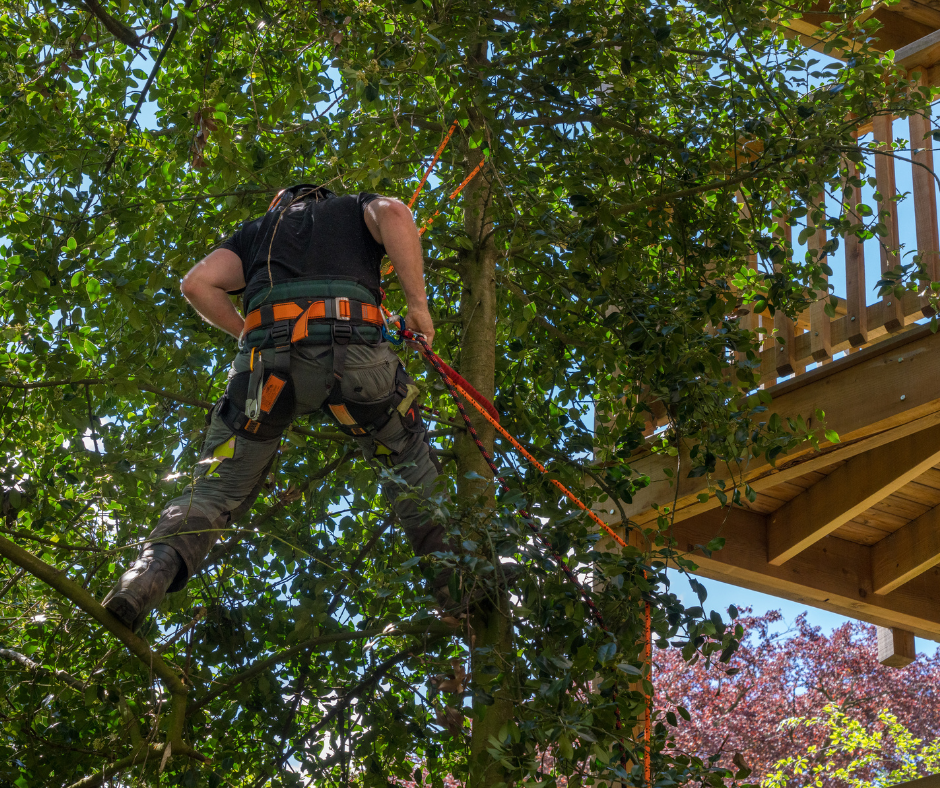
Keeping your trees healthy and safe isn’t just about watering and fertilizing. One of the most overlooked parts of tree care is regular trimming. In North Carolina — especially in towns like Alexis, Gastonia, and the greater Charlotte Metro area — tree trimming plays a critical role in protecting your property, boosting curb appeal, and avoiding expensive problems down the road.
But how often should you trim your trees? And what happens if you wait too long?
In this guide, the experts at Huffstetler Tree & Lawn Services Inc. answer those questions and more, providing you with a regionally relevant, professional trimming schedule and advice to keep your landscape thriving.
Why Tree Trimming Matters in North Carolina
Whether you live in a quiet neighborhood in Alexis or manage commercial property in Gastonia, tree trimming provides key benefits:
- Improves Tree Health: Removes dead or diseased limbs to prevent decay
- Enhances Safety: Reduces the risk of falling limbs during storms
- Boosts Growth: Encourages healthy new branches and leaves
- Controls Size and Shape: Keeps trees from interfering with structures or power lines
- Increases Sunlight Penetration: Helps grass and garden plants thrive beneath tree canopies
- Reduces Pest Infestation: Removes limbs that may attract insects or wildlife
In short, trimming is not just aesthetic — it’s essential maintenance.
General Tree Trimming Guidelines
While timing can vary based on the species and condition of the tree, here are standard guidelines:
| Tree Type | Trimming Frequency | Notes |
|---|---|---|
| Deciduous Trees (oaks, maples) | Every 3 to 5 years | Best trimmed during dormancy (late winter) |
| Evergreen Trees (pines, cedars) | Every 5 to 7 years | Avoid over-pruning; trim only dead/damaged limbs |
| Flowering Trees (dogwood, cherry) | Annually or every 2 years | Trim after blooming for shape and flower health |
| Fast-Growing Trees (willows, poplars) | Every 1 to 2 years | Require more frequent control to avoid overgrowth |
| Young Trees (under 5 years) | Every 1 to 2 years | Light shaping only to encourage proper structure |
If your property has a mix of tree species — which is common in NC — having a professional evaluation can help tailor a pruning plan to your needs.
How to Tell If Your Tree Needs Trimming
If you're unsure whether your trees are due for service, look for these signs:
1. Low-Hanging Branches
Branches scraping your roof, fence, or car? Time to trim.
2. Dead or Diseased Limbs
Gray, brittle branches with no leaves during growing season may be dead and hazardous.
3. Dense Canopy
If sunlight struggles to reach the ground below the tree, overgrowth may be limiting airflow and increasing disease risk.
4. Misshapen Growth
Trees leaning to one side or with uneven branch growth can be rebalanced with strategic trimming.
5. Encroachment on Power Lines or Structures
Trees growing too close to utility lines, windows, or rooftops need prompt attention — for safety and code compliance.
The Best Time of Year to Trim Trees in NC
In most parts of North Carolina, including Gaston County, late winter to early spring (February to March) is the best time for general trimming. Trees are dormant, sap flow is low, and pruning wounds heal faster before new growth starts.
However, some exceptions apply:
- Flowering trees should be trimmed
after they bloom, typically late spring or early summer
- Storm-damaged or hazardous limbs should be removed
immediately, regardless of the season
- Pines and evergreens can be lightly trimmed in late winter or early summer, depending on health
If you're unsure, a quick on-site consultation from our team can help identify the safest, most effective window.
Tree Species Common in NC and Their Trimming Needs
1. Oak Trees
- Very common in the Piedmont region
- Should be trimmed
only in winter to avoid oak wilt disease
- Prune every
3 to 5 years
2. Pine Trees
- Native species like loblolly and longleaf pines are tall and fast-growing
- Light trimming every
5 to 7 years is usually sufficient
- Remove broken limbs after storms
3. Dogwoods
- Popular ornamental trees in residential yards
- Best trimmed
after blooming in late spring
- Avoid cutting during dormancy to protect bloom cycles
4. Maple Trees
- Fast-growing shade trees, especially in suburban developments
- Prune in late winter every
3 to 4 years to prevent size issues
5. Bradford Pears
- Often used in older landscaping but prone to weak limbs
- Should be trimmed annually or removed if posing a hazard
Why Homeowners Delay Trimming — and Why That’s a Mistake
Some homeowners avoid tree trimming due to cost concerns or simply not noticing gradual overgrowth. However, waiting too long can lead to:
- Falling limbs that damage your roof, car, or neighbor’s property
- Tree rot or pest infestations that spread
- Liability issues if someone is injured on your property
- Tree removal when trimming could have saved it
A $300 trimming job today can prevent a $2,000 emergency removal next season.
Professional vs DIY Trimming: Know the Risks
While it might seem easy to cut a few branches with a ladder and saw, DIY tree trimming can be dangerous and legally risky.
Common DIY issues include:
- Falling from ladders or roofs
- Dropping limbs on people or property
- Incorrect cuts that permanently harm the tree
- Failure to spot disease or pest issues
- Working near power lines without proper training
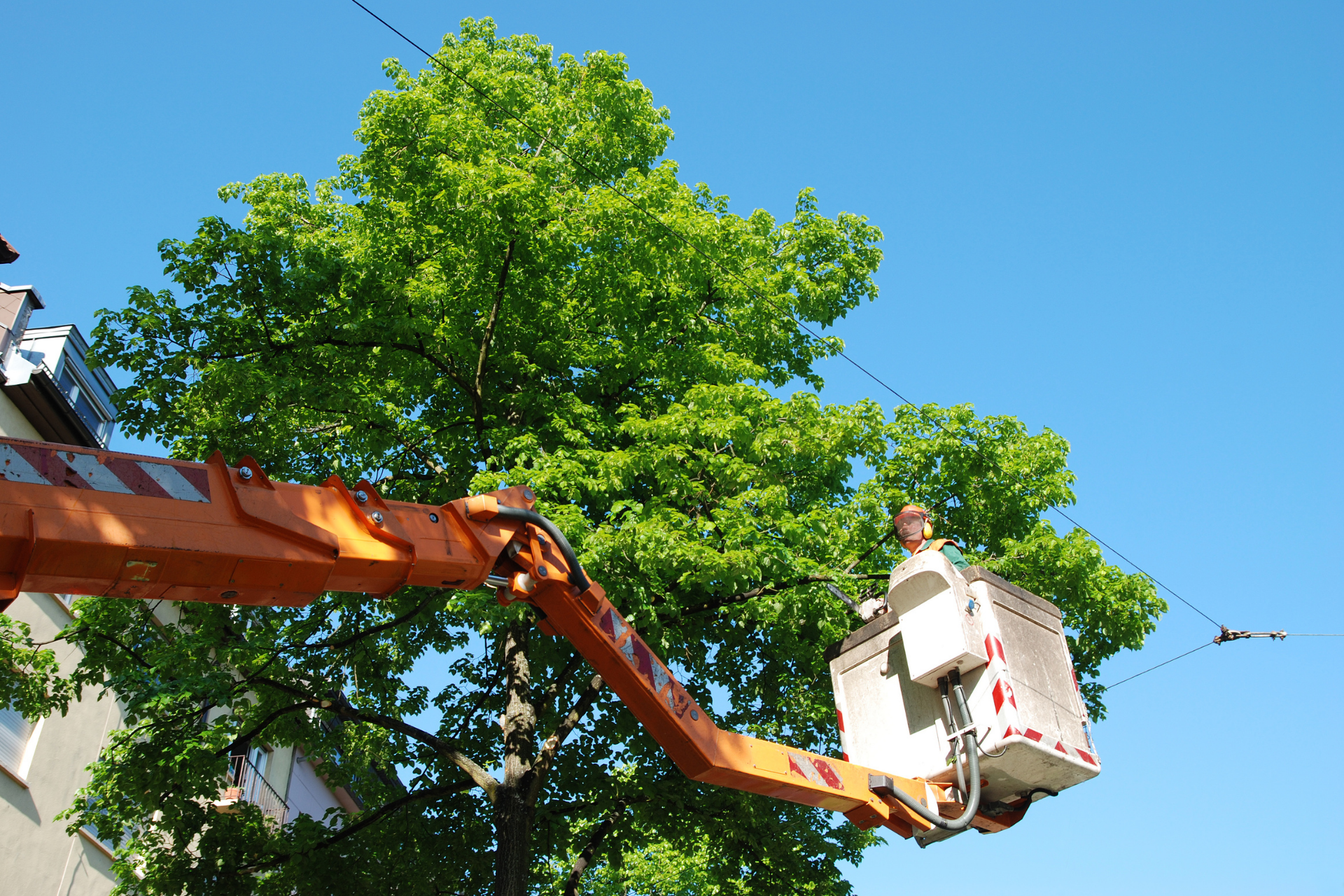
At Huffstetler, we use professional-grade equipment, aerial lifts, and safety harnesses — and we’re fully insured, protecting you from liability.
Local Tree Trimming Laws and Guidelines
Depending on where you live in Gaston County, local ordinances or HOA guidelines may restrict:
- Tree height
- Proximity to property lines
- Trimming of protected species
- Required permits for larger removals
We’re familiar with regulations in Alexis, Dallas, Mount Holly, and beyond — and can help ensure you stay compliant.
FAQs About Tree Trimming in NC
How much does tree trimming cost in North Carolina?
Tree trimming in NC typically ranges from $200 to $800 depending on tree size, location, and access. Huffstetler provides free estimates.
Can trees be trimmed in summer?
Yes, particularly for fast-growing or flowering trees. However, heavy trimming is best done during dormancy in winter or early spring.
Will trimming my trees encourage more growth?
Yes. Strategic trimming opens the canopy, improves airflow, and stimulates healthy new branches.
How often should trees near power lines be trimmed?
These should be evaluated every 1 to 2 years. If they are near public lines, the utility company may also inspect or trim them.
Do you offer regular tree maintenance plans?
Yes. We provide seasonal and annual tree care plans for homeowners and commercial properties across Gaston County.
Real Customer Example: Scheduled Trimming Saves a Property in Alexis
In spring 2025, a homeowner in Alexis, NC contacted Huffstetler Tree & Lawn Services after noticing large limbs overhanging their sunroom.
Our team scheduled a trimming service, removed several weakened branches, and identified early signs of decay in one of the main limbs. By addressing it early, we prevented possible collapse during summer thunderstorms — saving the homeowner thousands in potential damage.
Schedule Tree Trimming in Gaston County Today
If your trees haven’t been trimmed in the past few years — or if you're noticing low limbs, storm damage, or overgrowth — now is the time to act.
Call Huffstetler Tree & Lawn Services Inc. at 704-913-6109 or request a free estimate online at https://www.huffstetlertreeservice.com.
We serve Alexis, Gastonia, Dallas, Stanley, and the greater Charlotte Metro area with reliable, affordable, and fully insured tree trimming services.
Healthy trees. Safer property. Local service you can trust.