Who’s Responsible for Fallen Trees in North Carolina?
Who’s Responsible for Fallen Trees in North Carolina?

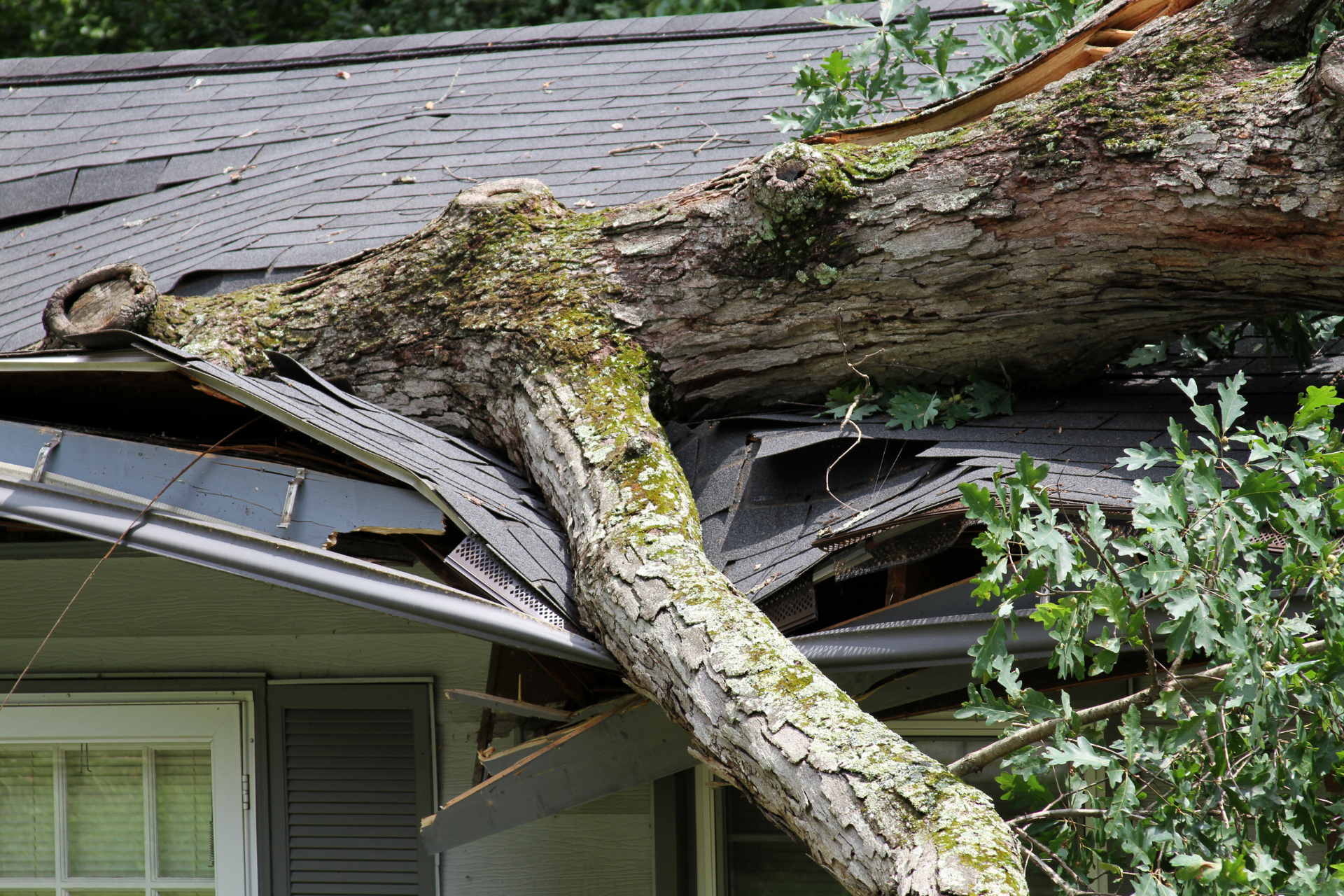
A tree falls across your driveway, crushes your fence, or damages your roof — but it came from your neighbor’s yard. Who pays for the damage? Is it your neighbor’s fault, or yours? What if the tree was healthy? What if it was dead?
At Huffstetler Tree & Lawn Services Inc., we get calls every month from homeowners in Gaston County asking about this very situation. The truth is, liability for fallen trees in North Carolina depends on several key factors, including the condition of the tree, the cause of the fall, and local ordinances.
This blog breaks down everything you need to know — in plain language — so you understand your rights and responsibilities when trees fall.
Who’s Responsible When a Tree Falls?
Here’s the general rule in North Carolina:
- If a
healthy tree falls due to natural causes (like wind or storms), the
property owner where the damage occurred is typically responsible for cleanup and repairs.
- If the tree was
dead, dying, or hazardous, and the owner of the tree
knew or should have known, they may be held
liable for damage it causes.
This means if your neighbor’s tree falls onto your property during a storm — and it was healthy — you’re usually the one who has to pay for it, not them.
But there are important exceptions.
Key Legal Principle: “Act of God” vs. “Negligence”
Most North Carolina insurance policies and courts distinguish between:
1. Acts of God (No One’s Fault)
If a tree falls during a storm, hurricane, or other natural event — and the tree was previously healthy — it's considered an act of God, and no one is legally at fault. Your own homeowner's insurance should cover the damage.
2. Negligence (Preventable Damage)
If a tree was clearly dead, decayed, or leaning dangerously — and the owner ignored the issue — they can be considered negligent. In that case, they may be responsible for the damage, especially if they were warned about it.
In North Carolina, evidence of prior complaints, visible rot, or prior incidents with that same tree can make a strong negligence case.
Common Scenarios and Who’s Liable
Scenario 1: Healthy Tree Falls During Storm
- Liability: Property owner where damage occurred
- Insurance: Your homeowner’s policy should cover it
- Tree owner not at fault
Scenario 2: Dead Tree Falls Onto Neighbor’s Home
- Liability: Tree owner may be liable
- Insurance: Neighbor’s insurance may still pay initially, then seek reimbursement
- Negligence must be proven
Scenario 3: Tree on Property Line Falls
- Liability: Depends on who owns the tree
- If the trunk is
exactly on the line, both parties may share responsibility
- Survey may be required
Scenario 4: Tree Falls Onto Power Lines
- Liability: Utility company may need to clear it
- Homeowner: Still responsible for damage on private property
- Call utility company before touching anything
What Does Homeowner’s Insurance Cover?
Most standard homeowners insurance policies in NC will cover:
- Damage to your home or other structures from a fallen tree
- Debris removal, if the tree damages covered property
- Tree removal, usually up to a set dollar limit (e.g., $500 to $1,000)
But they usually won’t cover:
- Removing a fallen tree that
doesn’t damage anything
- Tree damage caused by
earth movement, flooding, or neglect
- Damage to your property caused by
your own tree that was clearly dead and not maintained
What If My Tree Falls on a Neighbor’s Property?
This is one of the most misunderstood situations.
In most cases:
- If the tree was
healthy, you’re
not liable
- If the tree was
dead or hazardous, and you knew about it, you
could be liable
- Your
neighbor files a claim with their own insurance
- If they believe you were negligent, they (or their insurer) may file a claim against you
Tip: If your neighbor expresses concern about one of your trees, document the conversation and take action — even if just an evaluation. This can protect you from future claims.
How to Prove a Tree Was Negligent
If you believe a neighbor’s tree caused damage due to neglect, you must prove:
- The tree was dead, decayed, diseased, or unstable
- The owner knew or
should have known about the condition
- They failed to take reasonable action
- The condition directly caused the damage
You can use:
- Photos of the tree before and after the fall
- Eyewitness accounts
- Prior warnings or letters
- Arborist reports
- Insurance inspection notes
At Huffstetler Tree & Lawn Services, we can provide tree health assessments and formal reports if legal documentation is required.
NC Case Law: Real Examples of Liability
In North Carolina court cases, liability often hinges on whether a reasonable property owner would have removed the tree in time.
In Roney v. Tisdale (2015), the court ruled that the landowner was not liable for a healthy tree that fell during a storm.
However, in Holmes v. Smith (2020), a landowner was held responsible after a neighbor repeatedly warned about a dead tree, and it later fell, causing property damage. The court found that the tree owner failed to act on clear evidence of a hazard.
Tree Laws Specific to Gaston County and Local Municipalities
While North Carolina state law provides general rules, some cities and counties have additional ordinances:
- Gaston County: Does not require permits for private property tree removal but encourages hazard prevention
- Charlotte: Has a tree ordinance for right-of-way and commercial property management
- HOAs: Many neighborhoods in Belmont, Stanley, or Mount Holly have their own landscaping rules
Always check with your local municipality or HOA before cutting down trees — especially those near boundaries.
How Huffstetler Can Help With Fallen Tree Issues
We’re more than just a removal service — we help you manage every aspect of a fallen tree event:
- Emergency removal and cleanup
- Damage containment (tarping, debris removal)
- Documentation for insurance claims
- Hazard assessments for neighbor disputes
- Tree health reports
- Preventive trimming and removal
Whether the tree is on your land or not, our team can provide a professional, unbiased evaluation and help you determine the next steps.
What to Do If a Tree Falls on Your Property
- Ensure Safety First
Stay clear of damaged areas and power lines. Call 911 or your utility company if wires are involved. - Take Photos of the Damage
Capture wide and close-up shots of the tree, structures, and surrounding area. - Call Your Insurance Provider
Report the incident and begin your claim. Ask about coverage limits for tree removal. - Contact a Professional Tree Service
Call Huffstetler Tree & Lawn Services at 704-913-6109 for fast, insured service. - If Applicable, Notify Your Neighbor
If the tree came from someone else’s yard, document the location and trunk position before cleanup.
FAQs About Fallen Tree Liability in NC
What if I warned my neighbor about their tree before it fell?
That could help establish negligence, especially if the tree was visibly hazardous. Document warnings in writing if possible.
Will my insurance go up if I file a claim for a fallen tree?
Possibly. Any claim could affect future premiums, but it depends on your provider and policy.
What if a tree straddles the property line?
Both owners may share responsibility. Trimming over your property line is allowed, but cutting down the entire tree may require mutual agreement or legal clarification.
Can I sue my neighbor if their tree damaged my home?
Yes — but only if you can prove they were negligent. Otherwise, it’s treated as an act of God.
Need Help With a Fallen Tree in NC?
Whether a tree has fallen on your property or you're concerned about a hazardous tree near the line, don't wait for the situation to get worse.
Huffstetler Tree & Lawn Services Inc. is here to help — with fast emergency response, fair assessments, and full support for insurance documentation.
Call 704-913-6109 or visit https://www.huffstetlertreeservice.com to request an evaluation.
Serving Alexis, Gastonia, Dallas, Mount Holly, and all surrounding areas in Gaston County.
We’re always there — because fast action makes all the difference.